Back when photography was first introduced, there was not a significant amount of technology surrounding it, and only few could afford it. People were easily able to believe it as a form of “reality” depicting the truth. It was considered the “realest” form of art, since it captured moments in real time. However, as immersing new technologies (Photoshop, iMovie, Windows Movie Maker, and Picasa) is more affordable and widespread, the “realness” of images became more controversial. With the ease in manipulating digital images with software in this day and age, people are questioning whether images are either “real” or “art”, and wondering if they can believe anything they see anymore. Some may think this is new, but people have been editing photos since the invention of photography.
An example of this is HDR photography. This technique involves taking three photos of the same subject, all in different exposures, and combining them with digital tool to make a single sharp image. Since image manipulation is easier and more sophisticated like in HDR photography, it also makes it increasingly difficult for viewers to pick out the difference between images representing absolute truth vs. subjective reality. Check out my other blog post (link) to read more about this topic.
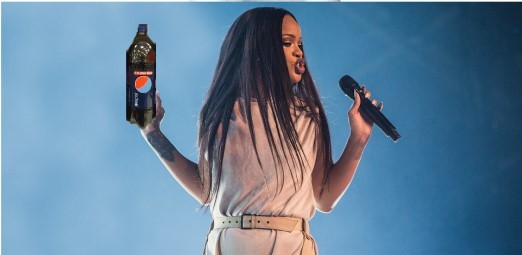
Digital manipulation is used to make images more better visually. The importance of visualization is being able to engage and capture the audience’s attention better, and that is a priority for digital editors. Nowadays, people can easily edit their personal photos through apps like Snapchat and Instagram to represent the best versions of themselves. Since it is quite easy for people to digitally manipulate images or videos to represent subjective reality, it is important for people to be critical thinkers and not take things for how they seem. People should question whether what they see online to be “real” or “fake”.

“fake explosion crap” by stewsnooze is licensed under CC BY-NC-SA 2.0




 Janitha's Blog